
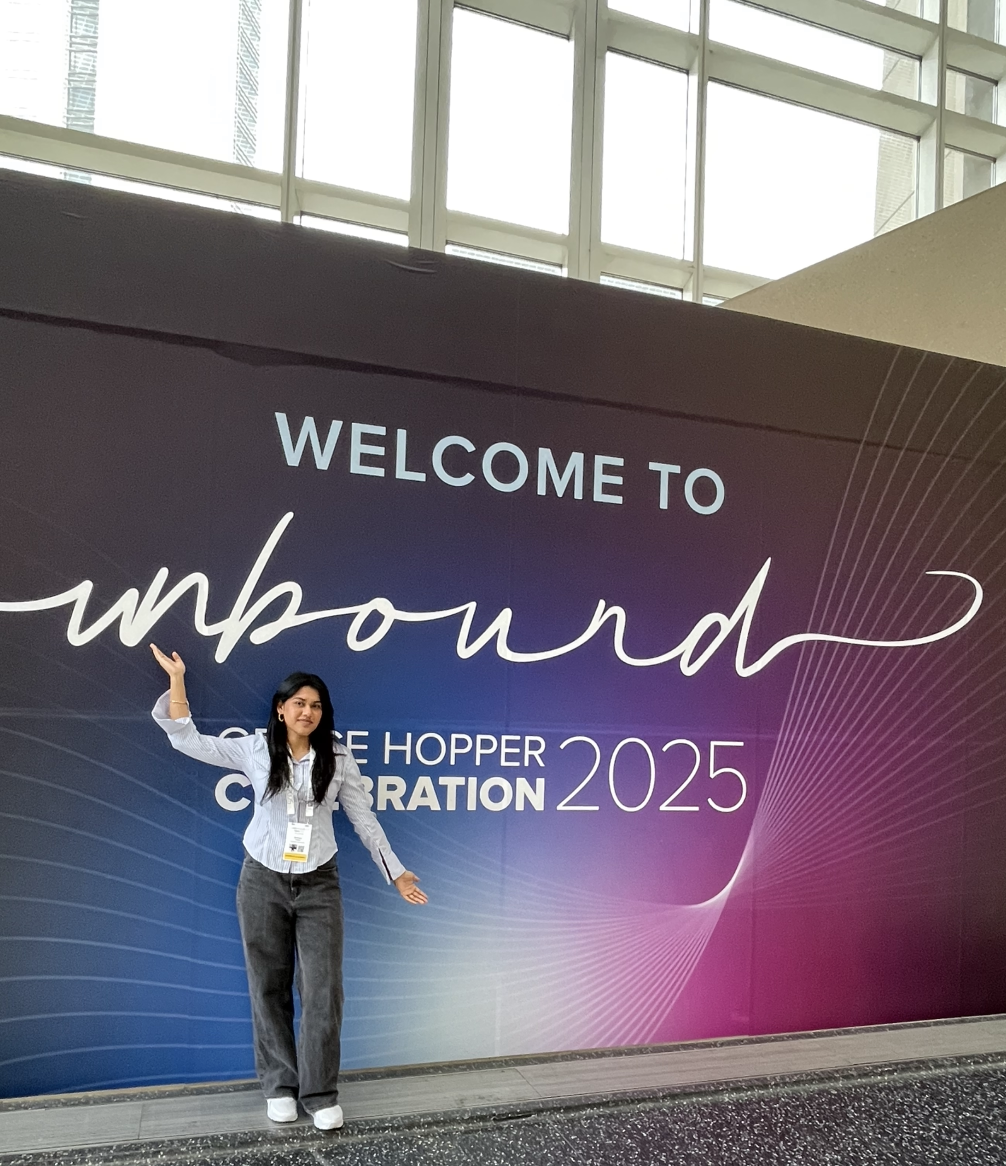
I came to the University of Rochester with a plan. Not exactly my plan, but one that had been quietly constructed around me over years of family dinners, report cards, and relatives asking what I wanted to be when I grew up. The answer was always the same, a doctor. And for a long time, I didn’t question it. I knew how respectable and stable the job was from the shows I had watched and how people talked about it.
Freshman year, I arrived as a neuroscience major and filled my schedule with biology and chemistry courses. On paper, it made perfect sense, rigorous, prestigious, a direct pipeline to medical school. I enrolled in the prerequisites and convinced myself I was exactly where I was supposed to be. I did everything except pause to ask if this was what I actually wanted.
While others explored classes across disciplines, I stayed within the boundaries of the pre-med track. It felt safe, and it was easy to explain. It was something I could confidently tell anyone who asked about my future.
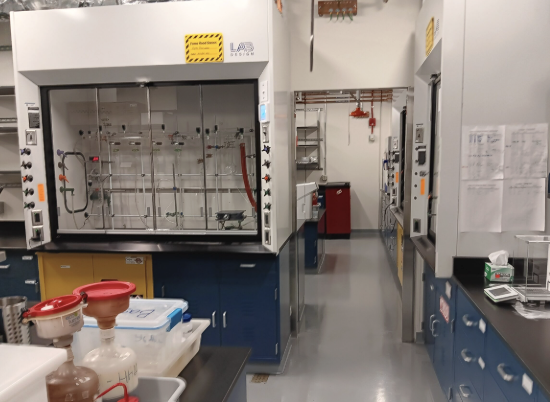 Looking back, I confused familiarity with passion. Neuroscience was fascinating in theory, the idea of understanding the brain felt exciting at first. But as the semesters passed, that excitement faded. The lab hours, the shadowing, and the image of myself in a white coat stopped being exciting to me. Still, I did not want to let it go. If I wasn’t going to be a doctor, maybe I could pivot within neuroscience, I told myself. Research, academia, a lab. I even considered patent law. I was willing to reshape myself into almost anything, as long as it allowed me to stay in the major.
By the end of sophomore fall, I had reached a point where I genuinely struggled to get myself to study for classes I once believed I would love. Organic chemistry, the “weed-out” course, became more than just academically difficult for me. It exposed something deeper that I did not want to admit. I was disinterested. Drawing chemical reaction mechanisms felt so disconnected from any real-life applications. I craved application and wanted to see the impact of my work.
People around me spoke about their majors with energy and passion, and I could not get myself to relate. That disconnect forced me to reflect during winter break of my sophomore year. I had been working on a website development job on campus, and for the first time, I felt something different. I loved learning things that were immediately applicable. I loved building something and seeing it work. The feedback loop was instant, and it made me feel alive.
The choice became clear, Computer Science.
It was a terrifying decision, I had never coded before. Many of my peers had been programming for years. I didn’t see myself reflected in the stereotype of a computer science major, and stepping into that space felt intimidating.
The hardest part wasn’t just the coursework, it was also the conversation at home. Telling my immigrant parents that I no longer wanted to pursue medicine meant disappointing them. The uncertainty of what a computer science degree could lead to made them anxious, and that anxiety also transferred to me. But for the first time, I chose to prioritize curiosity over comfort, and I allowed myself to explore.
 As I continued in computer science, I discovered that product management deeply resonated with me. Through my startup internships, I found myself drawn not just to writing code, but to thinking about users, what problems they were facing, how technology could serve them, and how to build tools that were both technically sound and meaningful. I enjoyed sitting at the intersection of engineering, design, and strategy. It combined the analytical thinking I had developed with the human-centered questions I had always cared about.
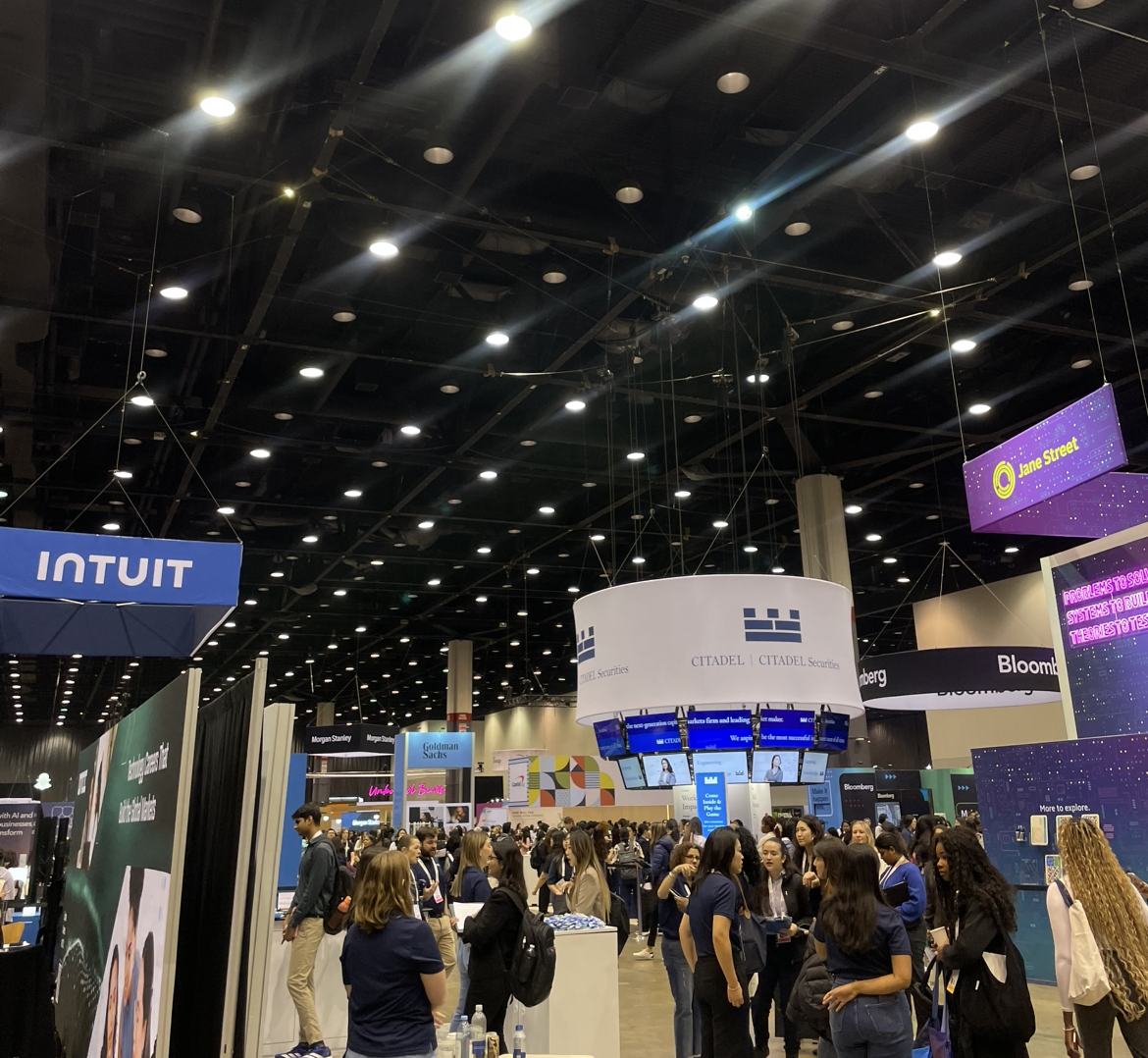
For the first time, I felt aligned, and I wasn’t trying to mold myself into a predefined role. I was excited about the things I was learning and their real-life applications! Through conferences and networking, I continued to learn and explore opportunities within computer science!
That clarity and growth eventually led me to a Product Management internship at Microsoft. Getting that opportunity felt surreal because it validated the risk I had taken. Choosing computer science had once felt like stepping into uncertainty, but now it feels like stepping into possibility.
I realized I didn’t need to wear a white coat to make a difference. I could build products that expand access, empower communities, and shape how people interact with technology. And this time, the plan feels like mine.