
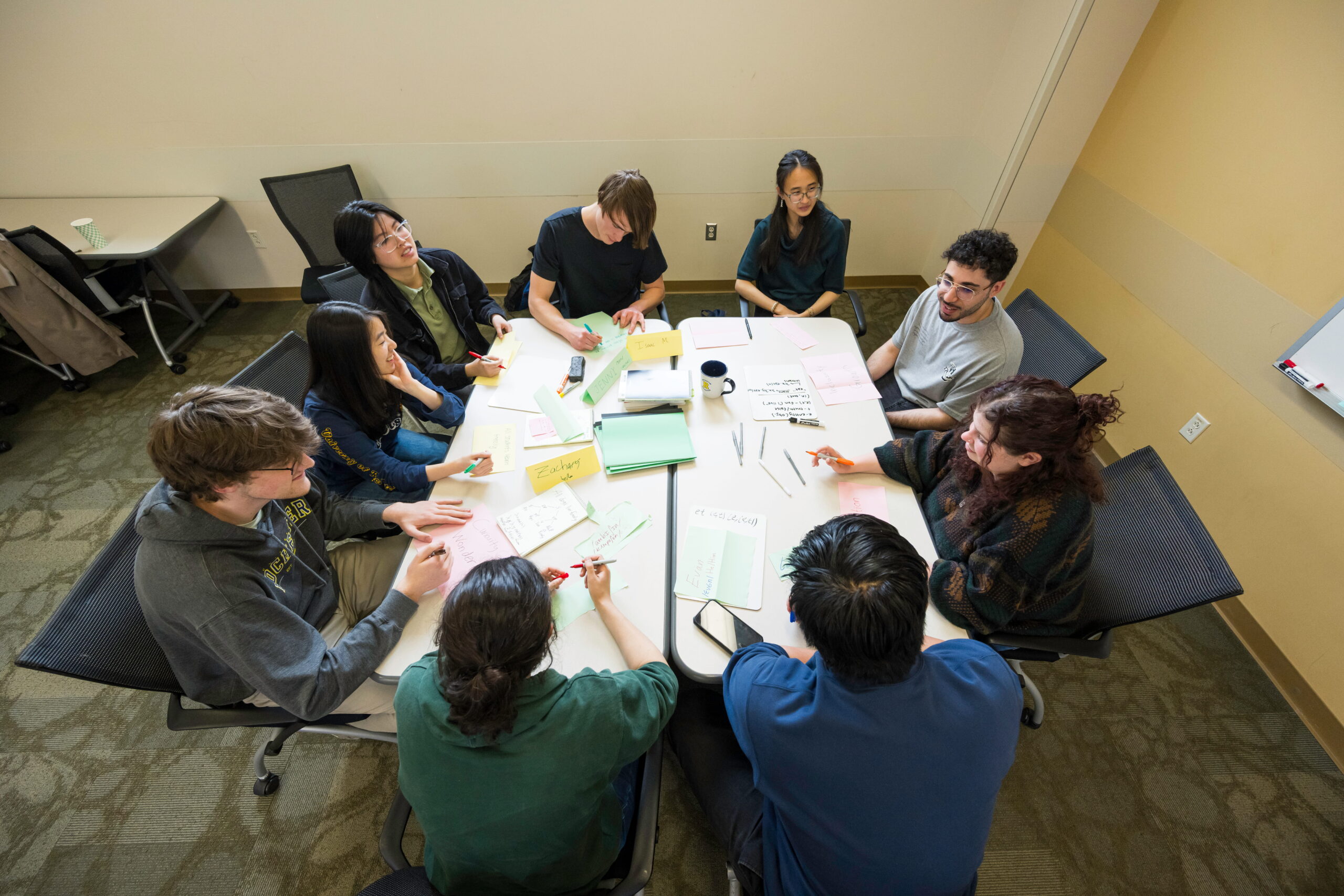
While working on your college list, you’ve probably thought about a prospective major, maybe even a minor or certificate you’d like to pick up while at school. However, alongside these broader programs, looking into individual course offerings can be a good way to figure out the specifics of what your undergrad may entail—and find some good electives that go beyond your specific major. URochester’s cluster system, in which students can “cluster” in subtopics within each department through 12 credit/three class sets, ensures that students explore a topic of interest in all three undergraduate disciplines (natural sciences, social sciences, and humanities). Basically, you need to complete a major, minor or cluster in each of the three divisions listed above.
The interdisciplinary nature of URochester’s programming, and any of the individual courses, makes it easy to mix, match, and explore across your subjects of interest…potentially finding some new curiosities to explore along the way.
Based on my experiences (and a few from my friends), here’s some of the coolest classes that the University of Rochester has to offer.
1. Audio Music Engineering/History 227: Podcasting History: Hear UR
Maybe it’s my soft spot for the department speaking, but I had quite a bit of trouble narrowing
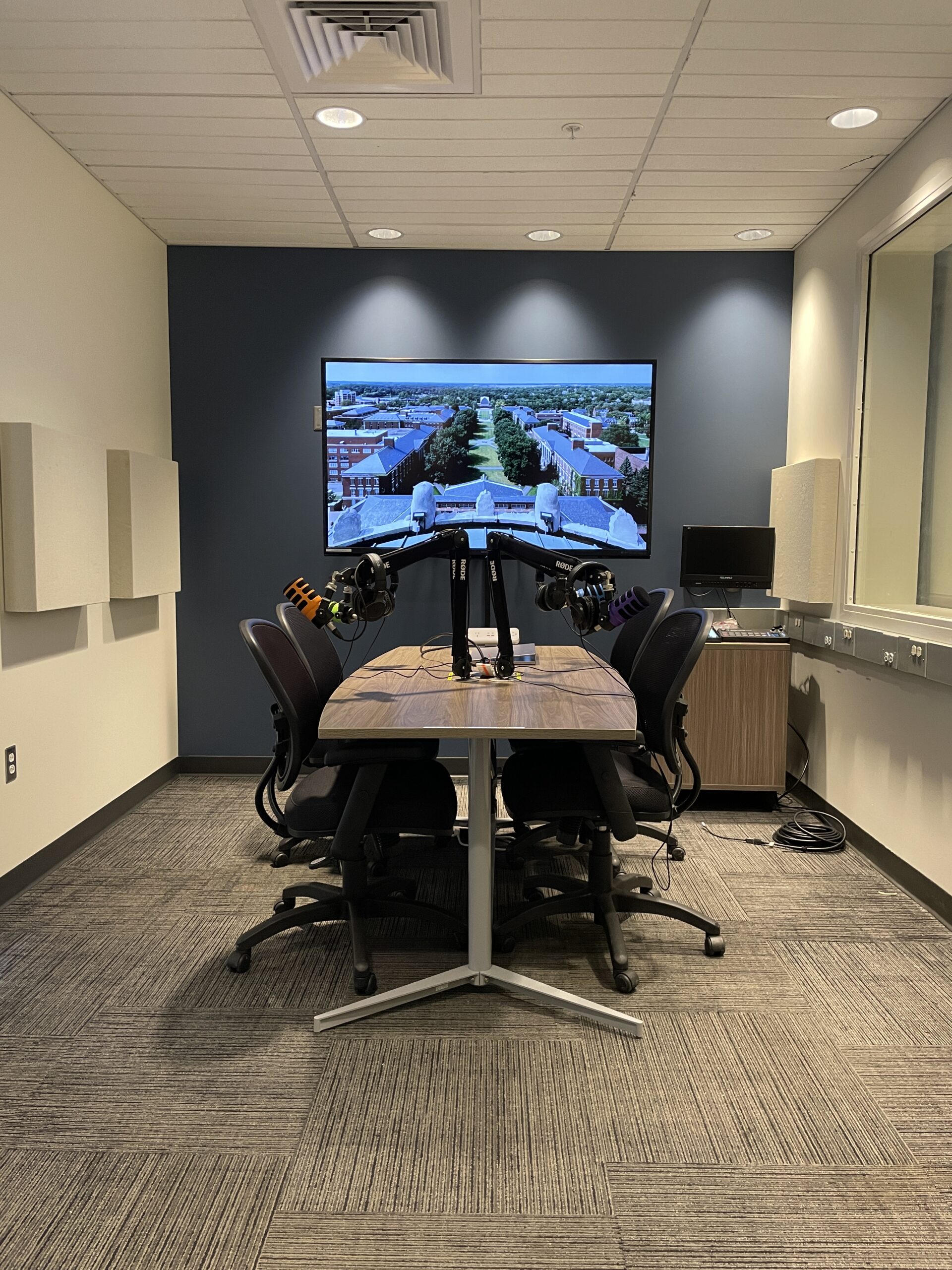
down which Sound Arts and Engineering (SAE) course to feature. The program sports two professional-grade recording studios, a synthesizer lab, podcasting booth, and some excellent professorship along with it; it’s certainly been one of the most unique and fruitful aspects of my college experience. For this post, I have to give the spotlight to “Podcasting History: Hear UR”: an interdisciplinary course where your semester-long project is to research, write, and produce a podcast episode on the local history of Rochester and its surrounding areas. My semester of the course focused on the Finger Lakes, which brought my groupmates and I on a whirlwind adventure of interviews, archive visits, and group drives to Geneva to investigate the rumors of a sea monster lurking nearby. By the end of the spring, we’d put together a 20-minute episode on the evolution of indigenous and settler mythos around Seneca Lake—one which you can listen to (alongside the other wonderful episodes) at Hear UR.
2. English 320: Consent ROCs: Creating Partnerships for Consent-Forward Theatre in Schools
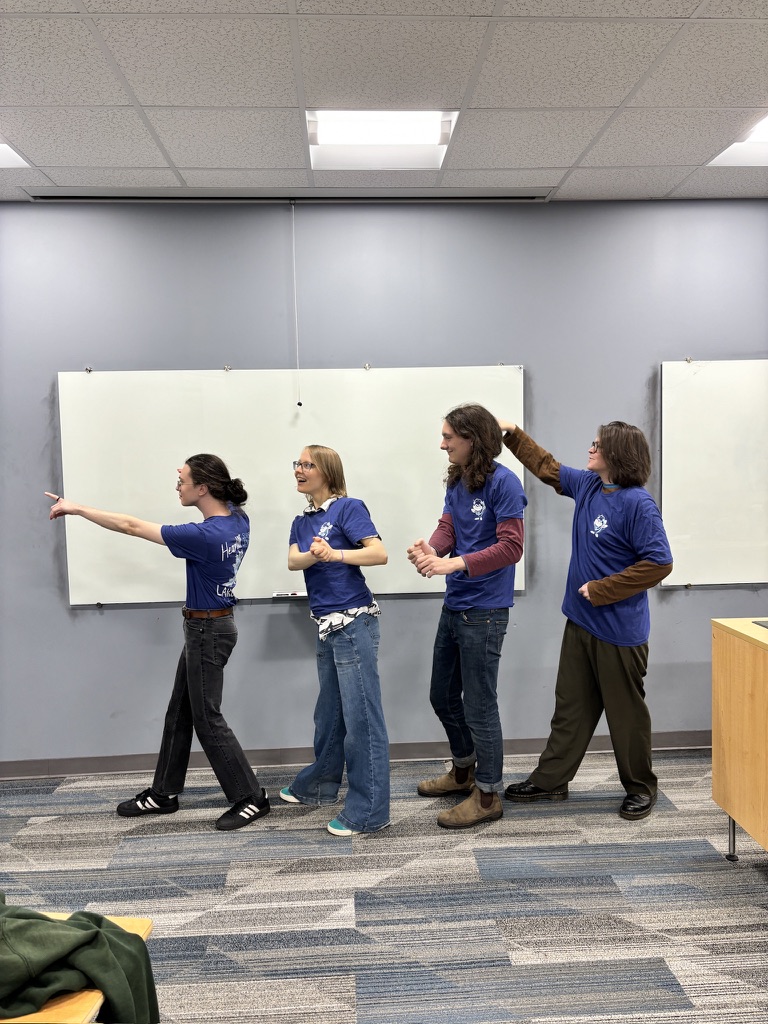
In theatrical work, establishing a baseline of informed and communicative consent is incredibly important, particularly when navigating moments of staged intimacy and physical contact. Consent ROCs, a class and community engaged project launched in the spring 2026 semester, brought this practice from on campus to schools in the area. Throughout the course of the semester, students developed lesson plans on consent and intimacy work which they then cotaught at Brighton and Westridge High Schools: covering skills including movement, boundary establishment, and applying consent work to actor-actor and actor-technician relationships. The class also covered skills surrounding cultural competency and working with minors, and featured interviews with local theatrical artists and directors around the area. With intimacy coordination being a developing practice, Isabella Briggs (Class of 2026) found teaching young students on consent and boundary work to be incredibly fulfilling.
“The practices that we use in theater to help us be more comfortable [are] going to help you in day-to-day life—in any job, in any field—because you always have to work within your boundaries and someone else’s boundaries,” she says. That’s gonna help you in your social life and in your relationships.”
3. Biology 228A&B: iGEM
The opportunity to accessibly engage in research is a pull that drew myself and many of my friends to URochester—potentially it’s also a draw for you too! While many students do their research for independent study credit, payment, or just for the prospect of experience (shadowing a lab for a bit can be a great way to get your toes in the water!), the iGEM program offers a group-oriented and multi-semester way to involve oneself in a start to finish research project. iGEM, also known as the International Genetically Engineered Machines Competition, is an international synthetic biology competition that prompts students to address real world programs with social responsibility in mind. The URochester Team, selected on an application basis, directs this project from start to finish: including project choice, marketing, budget management, experimentation, and more. At the end of the series (which runs continuously from the spring to fall), students present at the iGEM Jamboree to over 300+ international teams; a pretty exciting opportunity for a budding researcher. This year, the team (named VERDANT, VIP3A Engineered Resistance for Defense Against Natural Threats) is developing a natural pesticide that only activates when needed for protection. Additionally, they’ve made a self-paced synthetic biologic program designed for high schoolers to learn the field’s essentials while making their own research project. For future researchers, iGEM can be an invaluable and incredibly fulfilling experience.
4. Music 104: Carillon
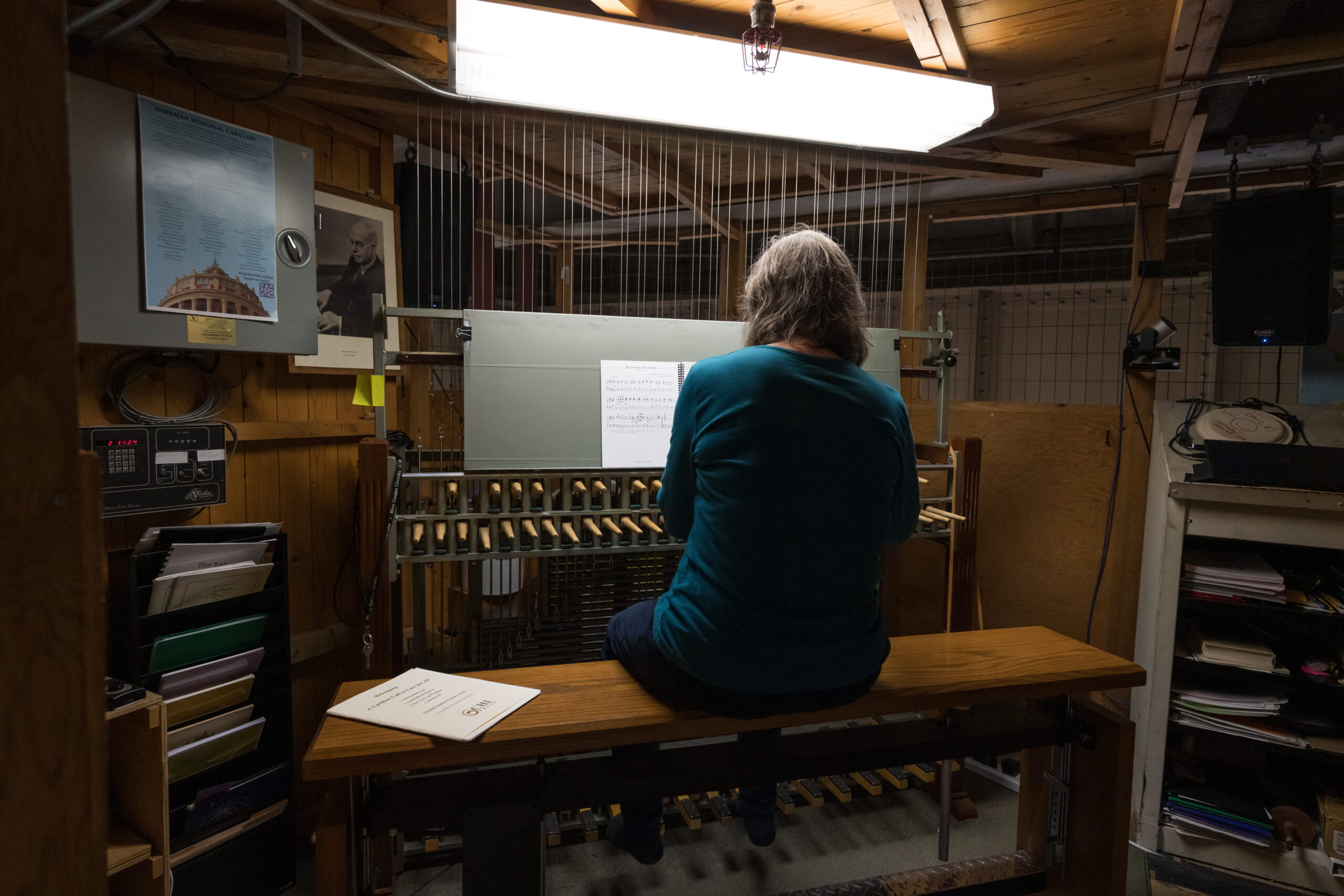
Have you ever taken a class with a prerequisite to not be afraid of heights? Probably not. However, if you’re musically inclined and willing to climb a few flights of stairs, URochester’s carillon class provides the unique opportunity to play the bell-based instrument located at the top of the library. The class is structured as a series of weekly private lessons and open workshops on the carillon that culminate in public concerts for the whole of the River Campus to hear. Having experienced many of them while resting on the quad or meandering between classes, I can attest that they sound pretty wonderful. While the course’s requirement for public performance (plus its audition only basis) may sound equally frightening as the heights, not many people can say they learned to play their library’s bells in college. Plus, coming home for the holidays to let your family know you performed a concert for everybody at your school is a pretty nice feat.
5. Writing 105
Have you ever wanted to take a course all about “Comics and Culture”? What about “Urban Legends and the Manufacturing of Fear”? Maybe even “Finding Adventure in the Outdoors”? These are just a few topics for Writing 105, a small group introductory course which accustoms students to cross-disciplinary writing at a collegiate level. It’s the only class required for all undergraduates and is truly what you’re able to make of it. While you can only take the course once (unfortunate for those of us with interest piqued by more than one of the semester’s offerings), you’ll find that whatever topic you pick goes far deeper than expected. For my Writing 105 course, “The Modern Shapeshifter”, I ended up writing a paper on the cult-classic film “Jennifer’s Body”, watching “Howl’s Moving Castle”, and reading works ranging from Junji Ito comics to indigenous scholarly work. My final project, which required us to track the change of something over the course of the semester, included a full length analysis of my musical listening habits over the past few months. One of my classmates even made mini-terrariums! So, whether you’re coming into college daunted by the 10-page research paper or excited for whatever it may entail, Writing 105 provides both a strong entry point.
To look more into URochester’s specific courses, you can find a full list of past and present offerings at https://cdcs.ur.rochester.edu/. To check by major, each department’s website also showcases a list of major, minor, and cluster requirements. Happy searching!